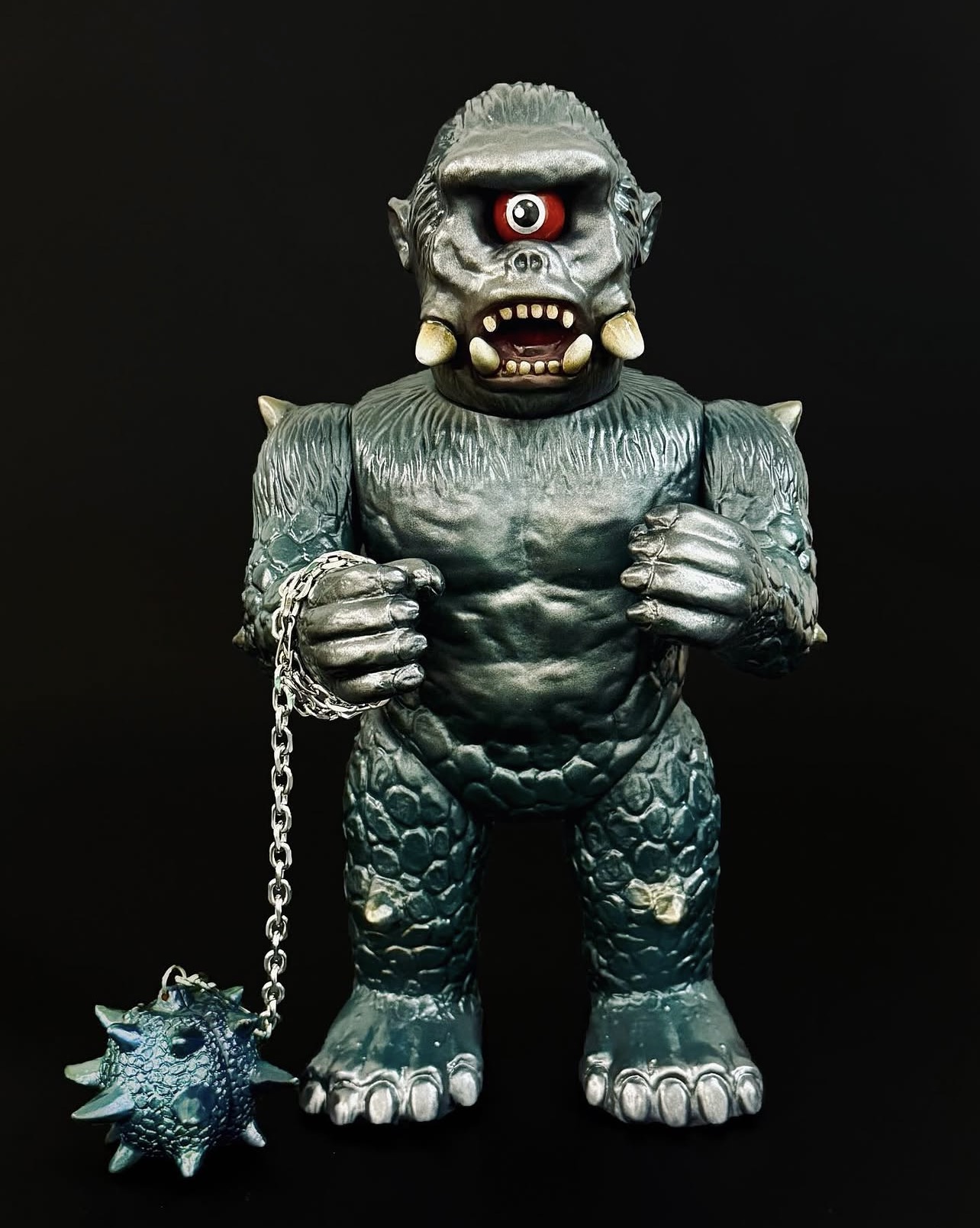
Where money flows, fakes follow. As sofubi prices have climbed, bootlegs have evolved from obvious toy-fair knockoffs into genuinely convincing copies — recasts made from silicone moulds taken off real figures, aged deliberately, sold with photocopied tags. The good news: with knowledge and a healthy suspicion, nearly every fake can be caught. This is the same checklist we run at KaijuMonsteR before any figure enters our sofubi vault.
Why bootlegs exist
A limited indie release of 20 pieces sells out in minutes and immediately doubles on the secondary market. Recasting that figure in cheap vinyl costs a fraction of the resale price. Most fakes target exactly the pieces you most want: rare Blobpus, GUUMON and vintage-style releases, and high-value vintage figures from Marusan and Bullmark.
The authenticity checklist
1. Mould lines and seams
Genuine sofubi is slush-cast in two-part metal moulds, leaving thin, even seam lines. Recasts made from silicone moulds often show softer, wavier seams, loss of fine detail, or “swollen” surfaces where the copied detail has degraded one generation.
2. Paint application
Original factory and indie paint is spray-applied with masking — look for crisp transitions, dry-sprayed edges and slight overspray patterns that feel intentional. Fakes often show brush-touch-ups, uniformly thick paint, or colours that are close but not exact. Compare against authenticated photos of the same release.
3. The vinyl itself
Smell and feel matter. Vintage vinyl has a particular aged smell and surface; newly cast fake vinyl feels waxy, smells strongly chemical and may be glossier or more brittle. Weight is a tell too: recasts are frequently heavier or thicker-walled than originals.
4. Tags, decals and packaging
Tags are among the hardest things to fake convincingly. Check print sharpness, die-cut shape, hole placement and the way the tag attaches. Photocopied tags lose fine detail; original foil stamps and spot colours are expensive to replicate. Vintage packaging should show age consistent with the toy.
5. Markings on the figure
Copyright lines, maker marks and date stamps on backs, feet and tails are well documented for vintage figures. Wrong font, wrong placement or missing marks — especially when other copies of the same figure carry them — is a serious red flag.
6. Provenance
The strongest authentication is a story: original purchase receipts, event sales records, known collections the piece passed through. At KaijuMonsteR we track provenance for every significant piece, and we guarantee authenticity on everything we sell.
Red flags outside the figure
- Price. A four-figure grail offered at a bargain is almost never a bargain.
- Stock photos. Sellers who will not photograph the actual figure on request.
- New accounts selling old rarities. Vintage requires history.
- Rush tactics. “Someone else is interested” pressure is a sales trick, not provenance.
When in doubt, ask
The collector community is small and collective memory is long. Ask for opinions on established sofubi communities, compare against archived release photos, or simply send us the listing — we authenticate pieces for collectors regularly and we would rather answer a question than watch someone buy a recast. New collectors should also read our introduction to sofubi to build the baseline knowledge that makes fakes obvious.